Keeping business email marketing subscribers takes a lot. Companies need to make sure they are reaching everyone and giving them content that keeps them interested. A post on Forbes said there are a few secrets of sending out marketing emails that small business marketing should use to improve the campaign. The first is to never do any harm to subscribers.

"Guess what? If your message isn’t relevant, it’s a nuisance," Forbes said. "And blasting the same e-mail to every subscriber on your list in the hopes that a significant enough percentage will open and respond is not going to win you loyalty in the long run. On a similar note, don’t get sloppy about basic email housekeeping like list management. If you keep sending to bad addresses, you won’t make any friends at the ISPs either, and they are the gatekeepers to the inbox."

Other things marketers should do is be sure to engage subscribers by using behavioral analytics to reach people how they want to be reached, never treat email marketing like an island by keeping it separate from other areas of business and be sure to always aim to build and nurture a long-lasting relationship.

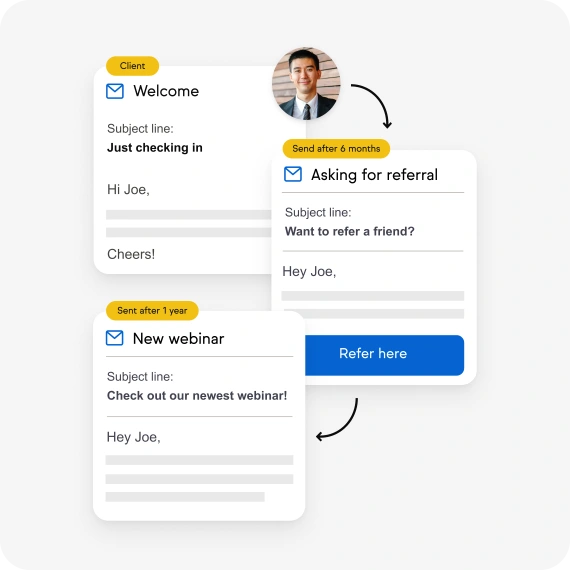
One way to make sure people are brought in to a list right is to send out a warm welcome message, Copyblogger said. This will be a good way to introduce the business in a personal way via marketing emails.

{ 0 comments }


Although many small business marketers have started to put more money into social media marketing, Marketing Pilgrim said email still reigns supreme when it comes to popular digital tools for small business marketing.

"We are getting deep enough into the internet era to now see what is effective, what is real and to hopefully sniff out what is BS," the Marketing Pilgrim blog said. "Oh sure, there are plenty of shiny objects for marketers to chase and we will. That’s the human nature part of this whole thing. But what we are seeing now is that there is something that, while not sexy, simply works in the digital world. That thing is email."

Research by Chief Marketer printed on eMarketer shows that 78 percent of small business marketing departments use email marketing, 59 percent use email newsletters and 58 percent use social media. Every other tactic is under 50 percent, including search optimization, QR codes and white papers.

Marketing Pilgrim said marketing emails may be more popular due to their ability to show results and be measured. This way, marketers can truly know what kind of return on their investment they're getting back from emails.

{ 0 comments }


Once small business marketing professionals have gotten together a good list of leads for their business email marketing list, managing and nurturing the lists and leads is key. BtoB gave some steps to managing these lists, with the first step being to think of the cost per lead rather than flat-rate pricing.

"In the beginning, when someone rented or bought a list, they paid a specific price for a specific number of records," the website said. "Soon after, though, marketers realized that email addresses – even more than postal addresses – were often bad or outdated. Still, many kept paying for their lists by the number of addresses. Today, the savviest marketers are moving to a cost-per-lead basis for their email list rentals and purchases."

Other ways to manage these email marketing list and even add to them is to use mobile apps to increase the number of people who opt in, get back to the basics of dealing with people and sending out emails, and use web analytic tools or marketing automation software to help segment these lists.

There are some things small business marketing professionals should avoid doing, Digital-Web.com said, including failing to spam-check emails before sending and putting hurdles in the way of unsubscribing

{ 0 comments }


After attending a marketing event, Jeanne Jennings, an email strategy consultant, said many small business marketers don't understand how to achieve value from their marketing emails. She said while opens and clicks are good, businesses should focus more on return on investment.

"Revenue can be direct sales for products, webinars or other services you offer," she said. "Depending on your business model, it might also include advertising revenue; this can come from ads in or sponsorship of the newsletter itself or from your website – here, you just need to estimate the amount of web traffic that came directly from the email newsletter program and prorate accordingly. You might also have list rental income or other ways you monetize your list; include them all."

Another thing Jennings gathered from the conference was that there are still gains to be had from testing creatively if businesses do it strategically. She added that while most emails are sent with a focus on deliverability, many don't know how to or are not taking steps to address it.

MarketingProfs said one way to boost revenue from business email marketing is to have behavioral targeting. This means emails can be sent recommending purchases based on other things subscribers bought and loyalty offers can be targeted to bring in more business.

{ 0 comments }


Small business marketing may have noticed that many of their peers have been getting on social media marketing. It may be time to join the revolution, but first, marketers must figure out how they want to approach the outlet. SmallBizTrends said it is now going beyond blogging and posting photos or videos, so companies need to keep up. The website said companies should be using social media networks in tandem.

"If you are an avid blogger, push out your material on Facebook, LinkedIn and Twitter so you are reaching all of your available audiences," the website said. " Social dashboard tools are getting more popular allowing you to develop content, keep track of trending topics and manage your social profile all in one place."

SmallBizTrends said small business marketing professionals should also use platforms where customers are, always be evaluating and reevaluating the plan, and keep content fresh and up to date to keep people's interest.

There are, however, some pitfalls to avoid. Business 2 Community said small business marketing professionals should work their way into social media slowly so as not to get in over their heads too quickly.

{ 0 comments }


Marketing emails often get easily discarded by subscribers, but why? Small business marketers seemingly work hard on a campaign only to have their messages end up in the trash. Steve Robinson, a marketing expert writes on NBC Chicago, said it's not an easy feat to get emails opened with the sheer volume people get, but there are some steps marketers can take, including abiding by a 50-character limit in the headline and avoiding rhetorical questions.

"Since email can sometimes be misconstrued, you want to avoid any confusion and steer away from inviting a less than positive response," Robinson said. "While there are certainly examples of successful campaigns that started off with a question, your opening lines will be more effective if they’re declarative statements versus rhetorical ones."

Other things to think about when sending marketing emails is creating a sense of urgency so people think it is important to buy, customize messages to each person when possible and include pictures to set the email apart.

Unbounce.com said the ciritcal first steps to getting improved opens on marketing emails is to find out who the subscirbers are, what they like and what they want to see in their inbox.

{ 0 comments }


With many e-commerce platforms out there, small business marketing professionals should be taking a good look at what a new e-commerce marketing solution may be able to do for the company. A Forrester report looked at 30 new platforms relevant for small and midsize businesses, and Heather Clancy of ZDNet said it included a few key findings.

"Many of the larger providers, in particular, are seeking to provide an end-to-end solution that includes catalog features, marketing tools, payment solutions and fulfillment mechanisms," Clancy said. "Traditionally, SMB e-commerce solutions have been a conglomeration of different services. While opting for an integrated approach is probably easier from a setup and ongoing operations standpoint, it does carry the possibility for lock-in."

Another thing she noticed is that hosted solutions are predominant, which is a testament to the cloud for small businesses. Forrester suggests an e-commerce solution should last two to three years so people can see long-term results for what they paid for.

Mashable said there are also many do-it-yourself solutions for small business marketing looking for a new e-commerce platform. These platforms are easy to set up so users can get started right away.

{ 0 comments }


Build lead generation system for revenue growth

by Infusionsoft May 15, 2012

Generating good leads is something that is absolutely necessary for small business marketing today. Marketing automation software should be able to produce qualified leads for sales and marketing to close on.